AI Voice Generators for YouTube: Real Audio, Pricing, and Licensing Compared
Most "best AI voice" roundups score tools they never actually ran. We took a narrower, more honest approach. We generated the same scripts — true-crime, entertainment, and educational — through the two engines we can operate ourselves, SquireWorks and ElevenLabs, so you can hear identical wording, names, and numbers side by side, plus a longer three-minute sample. For the products we can't run without an account — Murf, Speechify, NaturalReader, Descript — we did the reading most roundups skip: the actual pricing, commercial-rights, and voice-licensing terms, sourced from each provider. This is a pricing, rights, and voice-provenance comparison with real audio for two tools — not a quality ranking of every tool.
SquireWorks publishes this comparison and is one of the products in it. We've labelled our own product throughout and explained our method so you can weigh the results yourself.
What this guide compares (and what it doesn't)
"Best AI voice for YouTube" now spans three different markets, and mixing them into one list makes "best" meaningless. This guide focuses on the first group — products a creator can log into, paste a script, and get a finished voiceover from:
- Creator-facing narration products — ElevenLabs, Speechify Studio, Murf, NaturalReader, SquireWorks. The main comparison below.
- Editing suites with AI voices built in — Descript. Included, but it solves a broader "edit my whole video" job.
- Frontier TTS models and APIs — Gemini, Cartesia, Alibaba's Qwen. Often higher-rated in blind tests, but API-first and not turnkey for a creator. Covered in a short sidebar, not the main table.
The products, side by side
| Product | Type | How you pay | Commercial use | Whose voice | Suited to |
|---|---|---|---|---|---|
| ElevenLabs | Voice-generation platform | Subscription (credit-metered) or API | Paid plans (free tier is non-commercial) | Licensed actors + human-verified clones; not named to buyers | A large voice selection and flexible generation tools |
| Speechify Studio | Voiceover studio | Subscription (credits, 1/sec) | Paid Studio plans (the reading app is a separate, non-commercial product) | Community Voices from actors under signed deals; default-voice provenance not disclosed | A simple, recognizable voiceover product |
| Murf | Voiceover editor | Subscription (hours of audio) or API pay-as-you-go | Paid plans / API (free tier is preview-only) | Consenting artists paid royalties — stated on Murf’s ethics page | Line-level control over pronunciation, pace, and emphasis |
| NaturalReader | Commercial voiceover studio | Subscription (credits per character) | Paid plans (personal/free tier is non-commercial) | Aggregates other engines (Google, OpenAI, Azure, ElevenLabs); voice provenance not disclosed | A straightforward commercial voiceover with a big multilingual library |
| Descript | Editor with built-in AI voices | Subscription (shared AI credits) | Permitted under its terms (not tier-gated) | Cloning consent is verified; stock-voice provenance isn’t disclosed | Writing, recording, and editing a whole video in one app |
| SquireWorks | Creator voice marketplace | Pay per video — no subscription | Included on every purchase | Named creators who authorize each voice and share revenue | A named, creator-authorized voice bought per project |
We include these because a non-technical creator can use them today — which is a different list from the current audio-quality leaderboard (below). Familiar brands like Murf, NaturalReader, and Descript earn their place on accessibility and workflow, not on topping a quality benchmark. Pricing and terms checked August 2026; providers change plans often. We left out PlayHT (now discontinued — see below) and LOVO (couldn't verify its terms).
Also worth knowing: WellSaid Labs
WellSaid isn't in the table above because it's aimed more at business, training, and e-learning than at independent YouTube channels — but it's the most useful licensing comparison here. Its voices are built from licensed actor recordings with consent, actors earn an ongoing royalty each time a voice is used, and the generated output is assigned to you. Plans run Trial (no commercial use) / Starter $19/mo ($10 annual) / Pro $49/mo ($33 annual), metered on downloaded minutes with no rollover. If a subscription fits your volume and a documented licensed-actor model matters to you, it's worth a look — and it's a reminder that SquireWorks isn't the only company working openly with real voice actors.
What about the top-rated models right now?
Blind human-preference tests (the Artificial Analysis speech leaderboard) currently rank models from Alibaba, Speechify, Google, and Cartesia near the top. Useful to know — but leaderboard position isn't the same as being usable for a YouTube video. The clearest example: the current #1 is API-only and needs code plus a cloud account. Rankings shift week to week; treat this as a snapshot.
| Model | Standing | How a creator uses it | Commercial rights |
|---|---|---|---|
| Qwen-Audio-3.0-TTS-PlusAlibaba · Highest-rated, and the least accessible to a non-technical creator | Currently #1 | API only, via Alibaba Cloud — needs code and a cloud account | License terms not confirmed in English |
| Simba 3.2Speechify · A top-ranked model you’d reach via Speechify Studio, not directly | ≈ #2 | API-first; also powers Speechify’s consumer apps | Through Speechify’s own products |
| Gemini 3.1 Flash TTSGoogle · The most creator-accessible frontier model (still “preview”) | ≈ #3 | Google AI Studio web app (paste, pick a voice, download) + free tier | Not stated on the model page; output is SynthID-watermarked |
| Sonic 3.5Cartesia · Fast and natural, but built for developers and voice agents | Top-5 | Free web playground; API for production | Commercial use starts on the Pro tier ($5/mo) |
If you're a developer, these are worth a look. If you want to paste a script and download a voiceover, the products in the main table are far more practical today.
Hear the same script, two engines
Voice choice is an audio decision, yet most roundups ask you to pick from written descriptions. So we ran the identical script through the two engines we can operate ourselves and put the clips together. Listen to the identical scripts and decide which voice fits your channel — that's the whole point of this section. One caveat to keep in mind: these are different models and different voices (different people), so you're comparing the usefulness and delivery of the chosen voices, not the underlying models in isolation.
Exact settings: SquireWorks clips are rendered through the same pipeline a purchase uses (quality
"max", WAV); ElevenLabs clips use eleven_multilingual_v2 with default voice settings (MP3). Both are
the literal first generation, with no re-rolls and no loudness-matching, editing, or compression applied by us — so
a volume or format difference isn't a quality difference.
"On the night of March 3, 2019, the house on Marren Road looked exactly as it always had… What happened next would take investigators nearly a decade to piece together."
Not run on our scripts (no account) — hear their own demos: Murf · Speechify · NaturalReader · Descript.
Like Jonathan's true-crime delivery? Try this voice with part of your own script — free →
"Okay, so nobody saw this coming — and honestly, that’s the best part… It depends on how much you trust a director named Aoife Nguyen to actually stick the landing."
Not run on our scripts (no account) — hear their own demos: Murf · Speechify · NaturalReader · Descript.
Like Ellen's entertainment delivery? Try this voice with part of your own script — free →
"Between 2020 and 2024, the company’s revenue grew by roughly 340 percent, but that number hides the real story… a business that cannot explain why it wins usually stops winning."
Not run on our scripts (no account) — hear their own demos: Murf · Speechify · NaturalReader · Descript.
Like Taylor's educational delivery? Try this voice with part of your own script — free →
Short clips are easy for any tool. This is a longer, ~3-minute sample — more than the few sentences most demos give you — so you can judge a voice over a fuller stretch, including a name and numbers that recur ("Marren Road," "Elias Vantar," "three hundred and forty households"). It's a longer sample to listen to, not a formal consistency test. Same continuous script, both engines:
What we can measure from the first generation
Here are the observable facts for each clip. The audio itself is above for you to judge — we're not turning subjective impressions into invented scores.
| Clip | Characters | Finished length | Approx. gen time* | ElevenLabs credits | ASR word-accuracy check |
|---|---|---|---|---|---|
| Script A · SquireWorks — Jonathan | 503 | 34.9s | ~35s | — | Full read; no words dropped or added |
| Script A · SquireWorks — Megan | 503 | 25.8s | ~26s | — | Full read; no words dropped or added |
| Script A · ElevenLabs — stock | 503 | 32.0s | ~32s | ≈ 503 | Full read; no words dropped or added |
| Script B · SquireWorks — Ellen | 508 | 39.2s | ~39s | — | Full read; name “Aoife Nguyen” came through unclear |
| Script B · SquireWorks — John | 508 | 31.1s | ~31s | — | Full read; name “Aoife Nguyen” came through unclear |
| Script B · ElevenLabs — stock | 508 | 32.3s | ~32s | ≈ 508 | Full read; “Aoife Nguyen” run together but closer |
| Script C · SquireWorks — Taylor | 507 | 34.7s | ~35s | — | Full read; acronym “CAC” transcribed as “KXC” — check |
| Script C · ElevenLabs — stock | 507 | 33.6s | ~34s | ≈ 507 | Full read; acronym “CAC” came through clearly |
| Long-form · SquireWorks — Jonathan | 2,359 | 2:38 | ~2–3 min | — | Full ~420-word read; no words dropped |
| Long-form · ElevenLabs — stock | 2,359 | 2:25 | ~30s | ≈ 2,359 | Full ~420-word read; no words dropped |
*Approximate wall-clock time including queueing and transfer — not a clean latency benchmark. The last column is an objective check: we transcribed each clip with speech recognition (faster-whisper) and compared it word-for-word to the script. Across all ten clips, nothing was dropped or added — the only divergences were the deliberately hard tokens. The invented name "Marren" was read consistently across every clip; the acronym "CAC" came through clearly on ElevenLabs but garbled on SquireWorks; and the stress-test name "Aoife Nguyen" was imperfect on all three voices that read it. Speech recognition is a proxy — it catches missing or garbled words, not subtle prosody or naturalness — so use the players above for the final call. (One thing you can hear for yourself: the same Script A runs 25.8s–34.9s depending on the voice — a pacing difference, not a quality verdict.)
What a real video actually costs
Headline subscription prices don't tell you much on their own — what matters is cost at your publishing volume. We assume one 10-minute video ≈ 1,500 words ≈ ~9,000 characters ≈ ~10 minutes of finished audio (about 150 words per minute). For each service we take the cheapest plan that includes commercial rights and covers the month's volume; where billing is annual we note the annual-effective rate. Because providers meter in different units (characters, credits, hours, download-minutes), these are planning estimates, not quotes.
| Service | 1 video / mo | 4 videos / mo | 12 videos / mo | Notes & uncertainty |
|---|---|---|---|---|
| SquireWorks | $10 | ~$40 | ~$120 | Pay per video, no subscription; you only pay when you publish. |
| ElevenLabs | Starter ~$6/mo | Creator $22/mo | Creator $22/mo | Credits (1/char); unused credits roll over up to 2 months; a re-generation spends credits again. |
| Murf | API ≈ $0.27/video | Creator plan, or ~$1/mo API | Creator plan, or ~$3/mo API | API is genuine pay-as-you-go ($0.03/1k chars). On subscriptions, editing a line’s text re-charges the whole block. |
| Speechify Studio | Starter $19/mo | Starter $19/mo | Starter $19/mo | Credits (1/sec); 12 videos ≈ the full Starter allowance. Changing pitch/speed/emotion re-charges credits. |
| NaturalReader | Starter $29/mo ($16.50 annual) | Starter $29/mo | Starter $29/mo | 500K credits/mo (per character) covers well over a dozen 10-min videos on standard voices; premium engine voices cost more credits; no rollover. |
| Descript | Not calculable | Not calculable | Not calculable | Plans $16–$50/mo, but Descript doesn’t publish how many AI credits a minute of narration costs, so a per-video figure can’t be derived. |
The pattern is the useful part. At one video a month, pay-as-you-go options — SquireWorks at $10, Murf's API at cents, ElevenLabs' $6 Starter — beat committing to a subscription you'll underuse. At twelve videos a month, a flat subscription like Speechify Studio ($19) or ElevenLabs Creator ($22) is far cheaper per video than SquireWorks' ~$120. Match the billing model to how often you publish. Murf subscription prices weren't readable on its live pricing page; the ~$19–29/mo figures cited elsewhere should be confirmed on murf.ai.
Can you monetize YouTube videos that use AI voices?
Yes — AI narration isn't banned from monetization by itself. YouTube's channel-monetization policies target repetitive or mass-produced, inauthentic content, not AI narration as such. In July 2025 YouTube renamed its "repetitious content" rule to "inauthentic content" to make this clearer: what fails review is generic, template-driven output that adds no original perspective — with or without AI. Monetization stays a channel-level, human-reviewed decision, so no tool can promise approval. (YouTube monetization policies.)
Separately, YouTube asks creators to disclose realistic altered or synthetic content — for example, making a real person appear to say something they didn't. A synthetic narration voice over your own original content generally isn't the target of that rule, and cloning your own voice is explicitly exempt. Disclosure also doesn't affect earnings: YouTube states disclosing AI content "won't limit a video's audience or impact its eligibility to earn money." (Disclosing altered or synthetic content.)
Commercial rights and who's behind the voice
The first thing to check isn't voice count — it's whether you're allowed to use the audio in a monetized video. We read each provider's terms (August 2026), and one rule holds everywhere: the free tier excludes commercial use. ElevenLabs restricts free users to non-commercial use; NaturalReader's free tier is personal-use only; Speechify's free Studio output can't be used commercially and asks for a "Speechify.com" credit; Murf reserves commercial rights to paid plans. A monetized YouTube video is commercial, so it needs a paid tier — or a per-project purchase — everywhere.
A more reassuring finding, and one worth correcting because it's often stated wrongly: on most tools you keep the right to use audio you've already generated, even after you cancel. ElevenLabs says a paid-plan generation carries "a commercial license to use whatever you generated during that subscription forever." Murf says commercial rights "remain valid even after your subscription ends." WellSaid assigns the output to you, and Descript and Speechify Studio grant you ownership of what you make (Speechify's terms don't spell out post-cancel use). What you do lose on cancellation is unused credits or minutes — those are forfeited across the board.
What none of them promise is to keep hosting your files — every provider disclaims being a storage service. So the practical rule is simple: download and independently store any audio you buy. PlayHT is the cautionary case. Its parent, PlayAI, was acqui-hired by Meta in July 2025, and play.ht's service is now discontinued (its site no longer resolves). Reports that customer files were deleted come from third-party sources we can't confirm — but a provider can vanish either way, so your own copy is what you can rely on. We've dropped PlayHT as a recommendation.
The question the category mostly ignores is whose voice is it, did they agree, and are they paid? Here SquireWorks isn't alone in doing this well — WellSaid also builds its voices from licensed actor recordings and pays those actors an ongoing royalty. The others vary: ElevenLabs' stock voices come from paid actor partnerships and its clones use active voice verification, though actors aren't named to buyers; Murf states consenting artists and royalties on its ethics page (not its binding terms); Descript verifies consent when you clone a voice but doesn't disclose where its stock voices come from; Speechify's Community Voices are contracted actors, while its default-voice provenance isn't disclosed; and NaturalReader resells other engines' voices and says nothing about the people behind them. Where a provider's terms are silent, we say so rather than assume the worst.
| Provider | Consenting, identified voices? | Creators paid on an ongoing basis? | Keep your audio if you cancel? |
|---|---|---|---|
| SquireWorksNamed creators authorize each voice and share revenue; no subscription needed to keep using it. | Yes | Yes | Yes — you own the download outright |
| WellSaidVoices from licensed actor recordings with consent and per-render royalties (paid plans). | Yes | Yes | Yes — output is assigned to you |
| ElevenLabsReal actors and human-verified clones, not named to buyers; Voice Actor Payouts pay per use. | Partly | Yes | Yes — perpetual license to what you generated |
| MurfConsenting artists and royalties are described on Murf’s ethics page, not its binding terms. | Stated | Stated | Yes — lifetime commercial rights |
| SpeechifyCommunity Voices from actors under signed deals; default-voice provenance not disclosed. | Partly | Per deal | You own Studio output; post-cancel use unstated |
| DescriptCloning consent is verified, but stock-voice provenance and any pay aren’t disclosed. | Unclear | Not disclosed | You own exports; in-app files deleted on cancel |
| NaturalReaderResells other engines’ voices (Google, OpenAI, Azure, ElevenLabs); says nothing about actor consent or pay. | No | Not disclosed | You own your output; post-cancel use unstated |
Sourced from each provider's official Terms, Acceptable-Use, and voice-actor pages (checked August 2026). "Partly," "Stated," and "Per deal" reflect what the terms and public pages actually say — "Stated" means the claim appears on a marketing page rather than the binding terms. SquireWorks creators earn 70% of every purchase; our license still excludes paid standalone ads, political use, impersonation, and resale.
Every SquireWorks voice is tied to a named creator who authorized it. Meet the voice creators →
Which to consider, and when
There's no single winner — the right tool depends on your niche, how often you publish, and whether you want to subscribe. Practical guidance:
- Consider ElevenLabs when voice selection and flexible generation tools are the priority.
- Consider Speechify Studio when you want a simple, recognizable voiceover product — just buy Studio, not the reading app.
- Consider Murf when line-level editing controls matter, or you want true pay-as-you-go through its API.
- Consider NaturalReader when you want a clear commercial voiceover product with a big multilingual library across major engines (Google, OpenAI, Azure, ElevenLabs) in one place.
- Consider Descript when narration is one part of editing your whole video in a single app.
- Consider WellSaid when its licensed-actor model and polished business/e-learning style fit, and a subscription suits your volume.
- Consider SquireWorks when you want a named, creator-authorized voice and to pay per project instead of subscribing.
Reasons not to choose SquireWorks: the library is curated, not thousands of voices; there's no line-level pronunciation/timing editor for buyers; the license doesn't cover standalone paid advertising, political use, or resale; there's a $10 minimum per order; and if you publish a lot, a flat subscription can cost less per video than pay-per-project. If any of those is a dealbreaker, one of the tools above will fit better — and that's fine.
Method & limitations
- Hands-on: SquireWorks and ElevenLabs, run on the same scripts by us.
- Researched only: Murf, Speechify, NaturalReader, Descript, WellSaid — from their official pricing, terms, and voice-actor pages; we did not open paid accounts.
- Frontier models: from a public leaderboard and official docs, not run by us.
- Dates: pricing and terms checked August 2026 and can change; verify on each provider's site before buying.
- Disclosure: SquireWorks publishes this and is one of the products compared.
- No listener panel was conducted, and audio preference is subjective — the players are for you to judge.
- This is not a comprehensive quality test, ranking, or benchmark, and it doesn't evaluate every voice or feature each tool offers.
- Where terms are silent, we say "unclear from the published terms" rather than infer an answer.
FAQ
What is the best AI voice generator for YouTube?
There isn’t one best tool for everyone. Pick by what you need: a large voice selection and flexible generation (ElevenLabs), line-level editing (Murf), an all-in-one editor (Descript), a commercial voiceover studio aggregating major engines (NaturalReader), a simple voiceover product (Speechify Studio), or a named creator-authorized voice bought per project (SquireWorks). Use the audio players above to judge sound for your own content — we didn’t run a quality benchmark.
Can I use a free AI voice in a monetized YouTube video?
Generally no. Every provider we checked excludes commercial use from its free tier — ElevenLabs explicitly, Speechify and NaturalReader restrict free/personal use, and Murf reserves commercial rights to paid plans. A monetized video is a commercial use, so you need a paid tier or a per-project purchase.
Do I keep the audio after canceling a subscription?
For audio you already generated, usually yes: ElevenLabs and Murf grant continued/lifetime commercial use, WellSaid assigns the output to you, and Descript and Speechify Studio grant ownership (Speechify’s terms don’t address post-cancellation use). What you lose is unused credits or minutes. No provider promises to keep hosting your files, so download and store your own copies.
Does YouTube require disclosure of AI narration?
You must disclose realistic altered or synthetic content — for instance, making a real person appear to say something they didn’t. A synthetic narration voice over your own content generally isn’t the target, cloning your own voice is exempt, and disclosure doesn’t reduce a video’s monetization.
What’s the difference between commercial rights and voice authorization?
Commercial rights are whether your plan lets you use the audio in a monetized video — a licensing/tier question. Voice authorization is whether the real person behind the voice consented and is paid — a provenance question. A tool can grant the first while telling you nothing about the second.
Is a subscription or pay-per-video pricing better?
Pay-per-video (SquireWorks, or Murf’s API) is cheaper when you publish irregularly or rarely — you don’t pay for unused capacity. A subscription (Speechify Studio, ElevenLabs Creator) is usually cheaper per video once you publish several a month. Estimate your monthly volume and compare using the pricing table above.
How much does AI narration for a 10-minute video cost?
Roughly $6–$22 of plan value a month on the subscription tools, or about $10 as a one-time purchase on SquireWorks. Effective cost depends heavily on how many videos you make per month — see the scenarios above.
Last updated and pricing checked: August 2026. Providers change plans and terms; verify current details on each provider's site before buying.
Try a creator-authorized SquireWorks voice
These are the SquireWorks voices used in the comparison. Play a sample, then try part of your own script free — you'll see the exact price before buying, with monetized-YouTube rights included and the creator earning 70%.
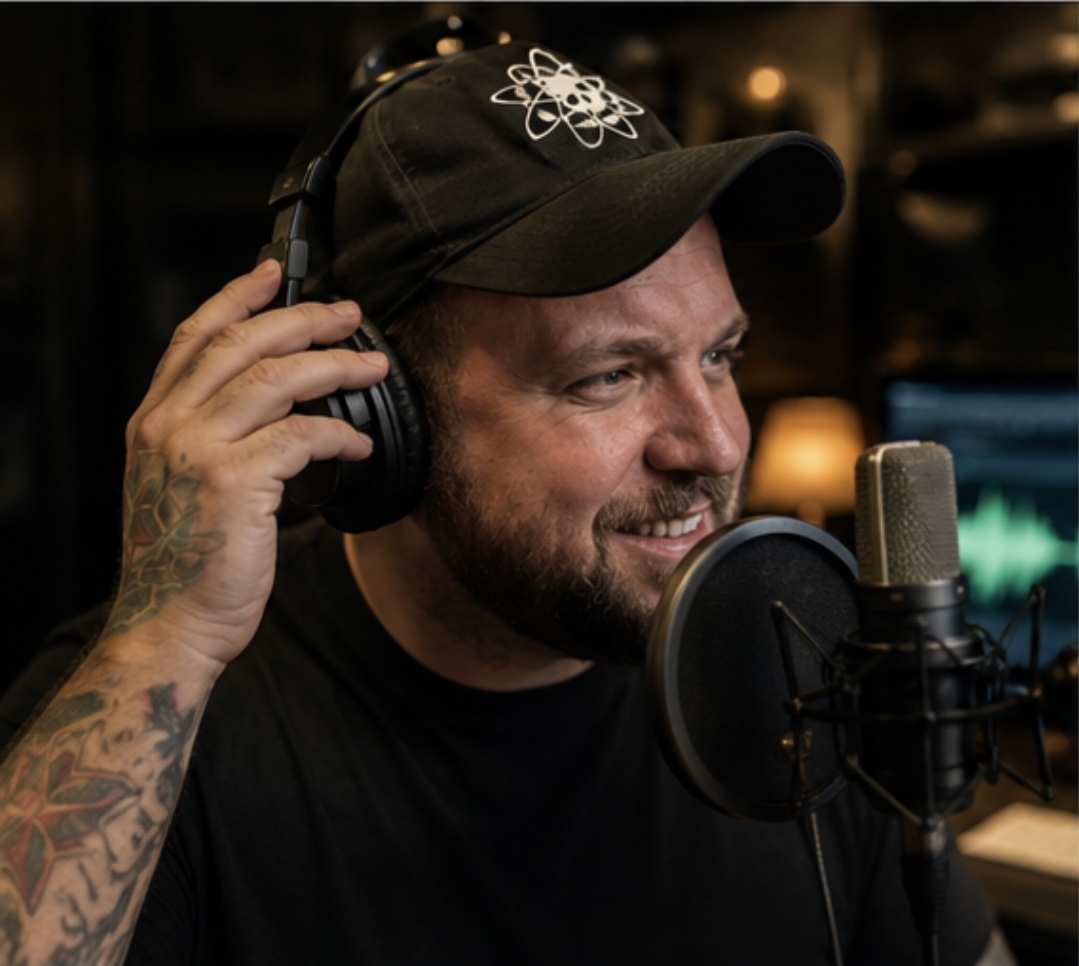
Jonathan Bryan
Cold Case & True Crime Narrator

Ellen R
Entertainment & Pop-Culture Host
Brian
Gaming Commentary

John
Movie Discussion
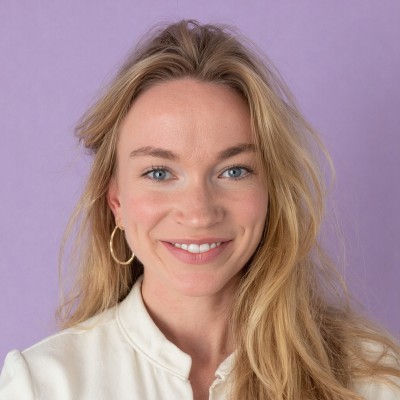
Megan H
Natural World Documentary Narrator

Taylor Hawkes
YouTube Documentary Explainer
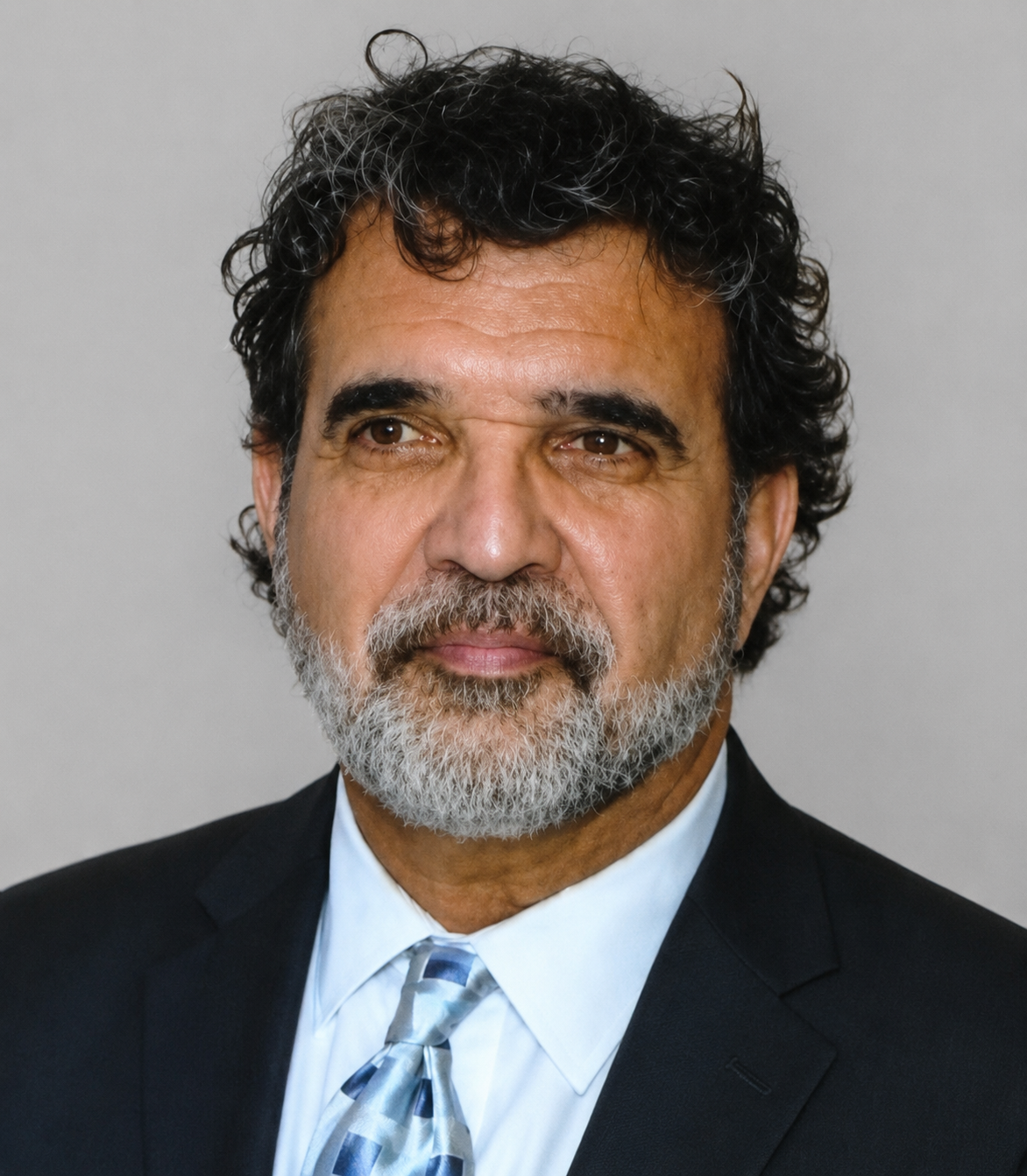
David Pashayan
E-Learning & Corporate Training Narrator